


Last Updated on February 24, 2026 by The Insurance Pros
🚗 What to Do After a Car Accident in Michigan
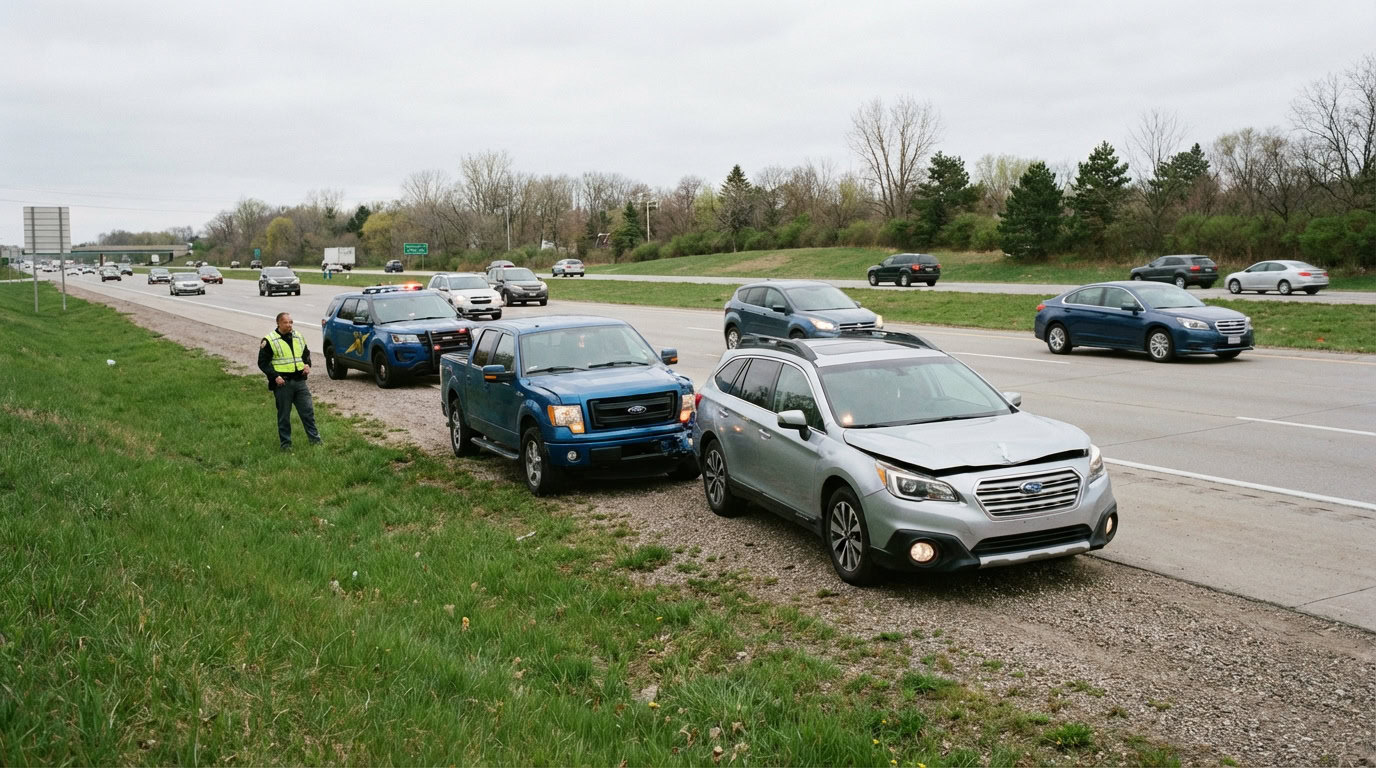
A car accident can happen in seconds. Whether it’s a minor fender bender or something more serious, knowing what to do next protects your safety, your legal rights, and your insurance coverage.
Michigan operates under a no-fault insurance system, which means accident procedures differ from many other states. This guide walks you step-by-step through what to do immediately after a crash and what to handle in the hours and days that follow.
Step 1: Check for Injuries and Call 911
Your first priority is safety. Check yourself and your passengers for injuries. If anyone is hurt, call 911 immediately.
Even if injuries seem minor, allow emergency responders to evaluate everyone involved. Some symptoms, including neck injuries or internal trauma, may not appear right away.
Step 2: Move Vehicles to a Safe Location
If the vehicles are drivable and there are no serious injuries, move them fully onto the right shoulder. Turn on hazard lights to alert other drivers.
Leaving vehicles in active lanes increases the risk of secondary collisions. Clearing traffic when it is safe to do so helps protect everyone.
Step 3: Contact Law Enforcement
Michigan law generally requires reporting accidents that involve injury, death, or property damage exceeding $1,000.
If officers respond, request the report number. If police do not come to the scene, you may need to file a report. You can obtain official crash information through the
Michigan Traffic Crash Reporting System.
For detailed instructions, review our guide on
how to request a Michigan police report.
Step 4: Exchange Information
- Full name and contact information
- Driver’s license number
- Vehicle make, model, and plate number
- Insurance company and policy number
Keep conversations factual and calm. Do not admit fault or argue at the scene.
Step 5: Document the Scene Thoroughly
Take photos of vehicle damage, road conditions, traffic signs, weather conditions, and surrounding areas. Write down your recollection of events while details are fresh.
Step 6: Notify Your Insurance Company Promptly
Report the accident as soon as possible. Provide photos, police report information, and the other driver’s details.
Under Michigan’s no-fault system, your insurer typically pays your medical expenses through Personal Injury Protection (PIP), regardless of fault.
If the other driver does not have insurance, read our guide on
What to do if the driver has no insurance.
Understanding Michigan’s No-Fault System
Michigan is unique. Your own auto policy generally covers your medical expenses after an accident through PIP benefits. Vehicle damage is handled differently.
If another driver is at fault, you may pursue limited vehicle damage recovery through a mini tort claim. Learn how this works in our guide to
filing a Michigan mini tort claim.
What Not to Do After an Accident
- Do not leave the scene.
- Do not admit fault.
- Do not delay medical evaluation if symptoms appear.
- Do not ignore small damage.
- Do not wait too long to notify your insurer.
What Happens in the Days After an Accident
Within 24 hours: File your claim and document all details.
Within a few days: Vehicle inspections and repair estimates are scheduled.
During repairs: Confirm rental coverage and follow up with your adjuster.
Stay calm, prioritize safety, gather accurate information, and report promptly.
Frequently Asked Questions
Do I need a police report in Michigan?
If there is injury or significant property damage, yes. When in doubt, contact law enforcement.
How long do I have to report an accident?
Most policies require prompt reporting. Delays can complicate the claim process.
Can I choose my own repair shop?
Yes. Michigan drivers generally have the right to choose their repair facility.
What if the other driver leaves the scene?
Call police immediately and document as much information as possible.
Will an accident increase my rates?
Rate impact depends on fault determination and your overall claims history.
Final Thoughts
Preparation reduces stress. Keep your insurance card accessible, maintain an emergency kit, and understand Michigan’s accident procedures before you ever need them.
