


Last Updated on January 23, 2026 by Insurance Pros
Michigan Smoke Detector Requirements: Placement, Types, and Maintenance
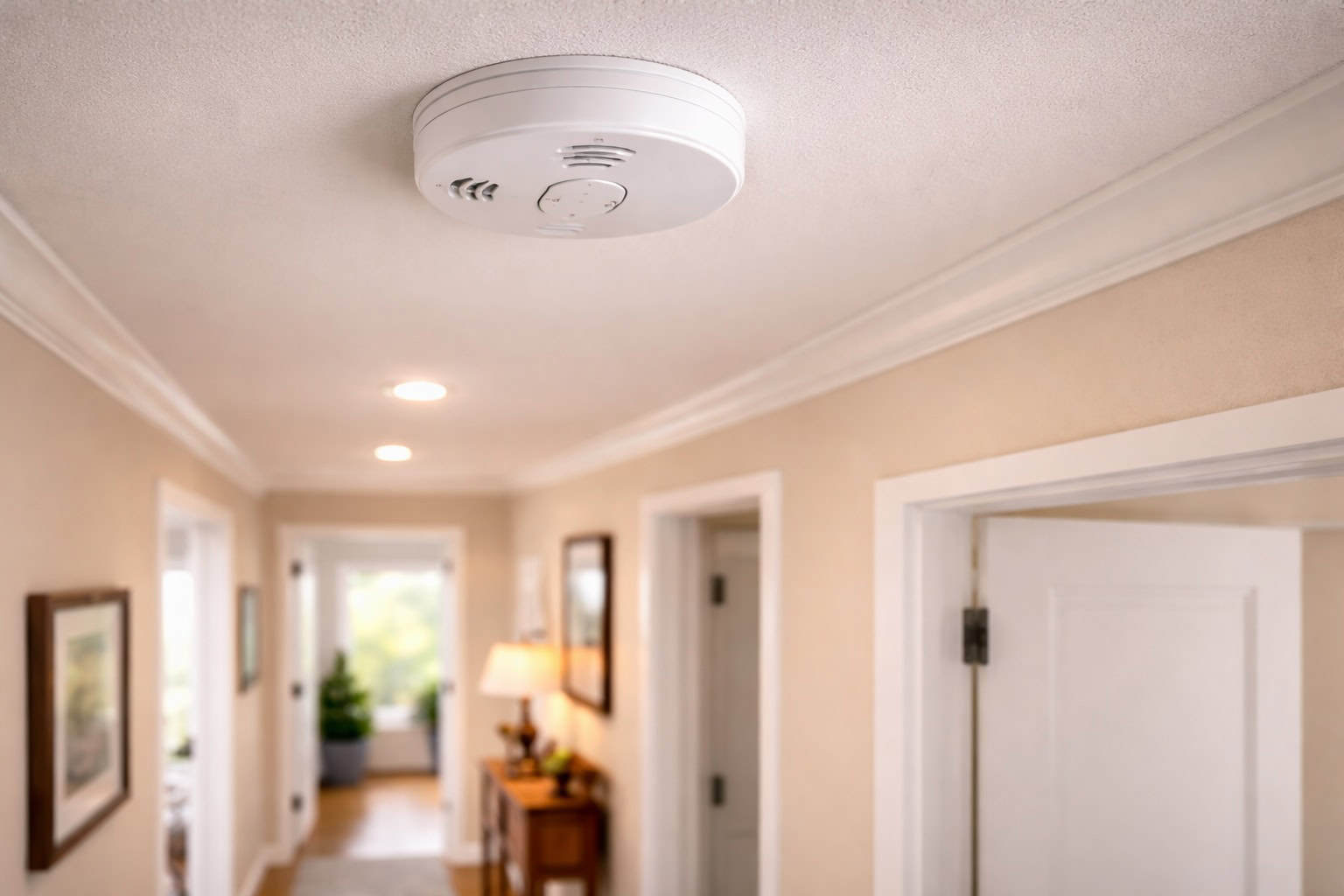
Smoke alarms are one of the simplest home safety upgrades you can make. In Michigan, smoke alarms are required in residential buildings, and placement can vary depending on your home’s construction date and whether you’ve done permitted remodeling. This guide explains where alarms typically go, what type to buy, and how to keep them working.
Quick answer: Most Michigan homes should have smoke alarms inside each sleeping room and outside sleeping areas
(like a hallway), and on every level of the home, including basements. New construction and some remodels can trigger requirements for hardwired, interconnected alarms.
🏡 Are Smoke Detectors Required in Michigan Homes?
Yes. Michigan requires smoke alarms in residential buildings. The specific requirements can depend on when the home was built and whether permitted renovations have occurred. If you’re remodeling, finishing a basement, or adding bedrooms, it’s smart to confirm expectations with your local building department.
Permitted work can trigger upgrades, including adding alarms in additional locations and requiring interconnected alarms in some projects.
📍 Where Are Smoke Detectors Required in Michigan Homes?
In most Michigan homes, smoke alarms should be placed in these key locations:
- Inside every sleeping room
- Outside each separate sleeping area (example: hallway near bedrooms)
- On every level of the home, including basements
- These alarms are typically optional in crawl spaces or attics.
Placement tip: Keep alarms away from bathroom doors, HVAC vents, and areas where steam or cooking smoke can cause nuisance alarms. If a location constantly chirps, don’t remove the alarm; adjust placement or upgrade to a newer model designed to reduce nuisance triggers.
🔗 Official Code Reference
Michigan smoke alarm requirements generally follow residential code guidance. If you’re doing permitted work, confirm requirements with your local jurisdiction and review:
Michigan Residential Code (LARA)
🧯 Hardwired vs Battery: What Michigan Homeowners Should Know
Older homes often use battery-powered alarms, while newer construction and some permitted remodels may require hardwired, interconnected smoke alarms with battery backup. “Interconnected” means if one alarm sounds, the others can sound too, which improves warning time.
- Battery-powered: common in existing homes and easy to install
- Hardwired and interconnected: common in new builds and some remodels
- 10-year sealed battery: popular upgrade option that reduces battery-changing hassle
🛠️ Choosing the Right Type of Smoke Detector
Not all smoke alarms detect fires the same way. Choosing the right sensor type can reduce nuisance alarms and improve early detection.
Ionization Smoke Alarms
Ionization Smoke Alarms are often more responsive to fast-flaming fires. These can trigger nuisance alarms more easily near kitchens if placed too close.
Photoelectric Smoke Alarms
Photoelectric Smoke Alarms are often better at detecting slow, smoldering fires, which are common with furniture and bedding. Many homeowners prefer photoelectric models for bedrooms and hallways.
Best All-Around: Dual-Sensor Alarms
Dual-sensor alarms combine both technologies for broader detection. If you’re replacing older alarms, a dual-sensor model is often the simplest “one-and-done” upgrade.
🔋 Smoke Detector Maintenance Checklist
Placement matters, but maintenance is what keeps alarms reliable. Use this simple checklist:
- ✅ Test smoke alarms monthly
- 🔋 Replace batteries on schedule (unless you have sealed 10-year units)
- 🧽 Vacuum dust around alarms occasionally to prevent false alarms
- 🔄 Replace the entire unit about every 10 years (or per manufacturer label)
- 🔊 If an alarm chirps, fix it immediately
Some local fire departments offer free smoke alarm programs for eligible households. If you’re unsure where to start, call your local department and ask about free alarms or installation resources.
🧠 Smoke Detectors vs Carbon Monoxide Detectors
Smoke alarms detect fire and smoke, while carbon monoxide alarms detect dangerous CO gas. Many Michigan homes need both.
If you’re upgrading safety devices, see:
Michigan Carbon Monoxide Detector Requirements.
❓ FAQs: Michigan Smoke Detector Requirements
Do smoke detectors have to be in every bedroom in Michigan?
In most modern standards, yes. Many Michigan homes should have alarms inside each sleeping room and outside sleeping areas. Requirements can vary based on build date and permitted remodels.
Do smoke alarms need to be hardwired in Michigan?
Not always. Existing homes often use battery alarms, but new construction and certain remodels may require hardwired, interconnected alarms with battery backup.
How often should smoke alarms be replaced?
Many smoke alarms should be replaced about every 10 years, or sooner if the manufacturer label recommends it. Test monthly and replace batteries as needed.
Why do smoke alarms go off when there isn’t a fire?
Common causes include cooking smoke, steam, dust, or placement too close to kitchens and bathrooms. Upgrading to newer models and adjusting placement usually solves the problem.
📣 Final Thoughts: Protect Your Home and Meet Safety Standards
Smoke alarms only help if they’re installed in the right places and kept working. If you’re updating safety equipment, consider pairing smoke alarms with a fire extinguisher and CO alarms for complete protection.
