


Last Updated on February 6, 2026 by Insurance Pros
How to Get a Motorcycle Endorsement in Michigan
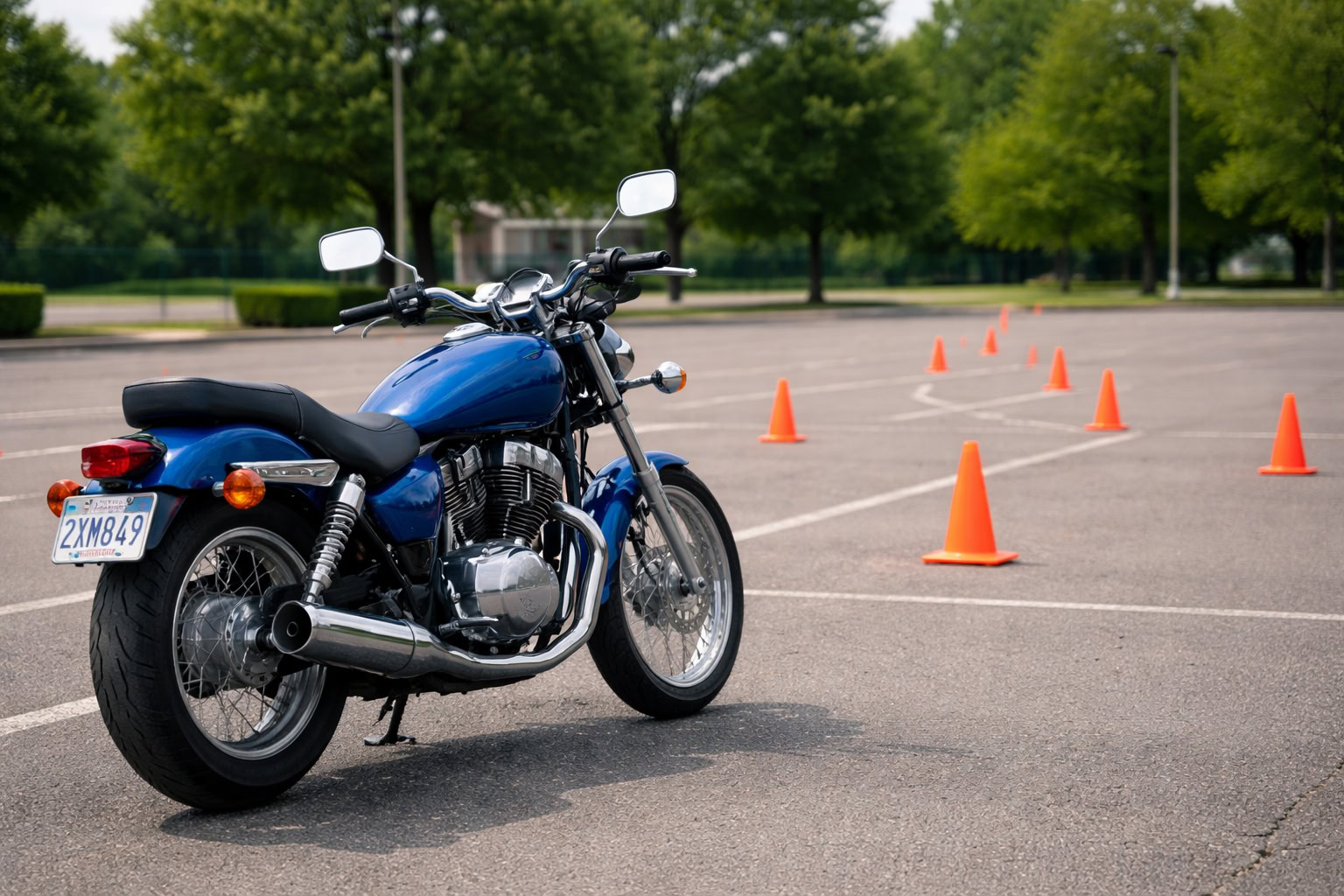
If you plan to ride a motorcycle on public roads in Michigan, you must have a motorcycle endorsement on your driver’s license. This guide explains who needs one, how to get it, and whether testing or a safety course makes the most sense for your situation.
Quick Answer:
In Michigan, you generally need a motorcycle endorsement to legally operate a motorcycle on public roads. You can earn it by passing a skills test at the Secretary of State or by completing an approved motorcycle safety course.
Who Needs a Motorcycle Endorsement in Michigan?
You need a motorcycle endorsement if you operate:
- A motorcycle or motor-driven cycle on public roads
- A bike that exceeds moped engine size or speed limits
- A motorcycle registered for street use
If you are unsure whether your bike qualifies as a motorcycle or moped, the safest approach is to confirm requirements with the Michigan Secretary of State before riding.
Two Ways to Get a Motorcycle Endorsement
Option 1: Secretary of State Skills Test
You may take a motorcycle skills test at an approved Michigan testing location. This typically includes on-cycle maneuvers such as turns, stops, and basic control.
Temporary Instruction Permit (TIP)
If you plan to earn your endorsement through the Secretary of State skills test, you’ll first need a Temporary Instruction Permit (TIP).
- Pass a written knowledge test
- Pass a vision screening
- Pay the required permit fee
A TIP allows you to practice riding while supervised by a properly endorsed adult. Restrictions apply, including limits on passengers and nighttime riding. The permit is valid for a limited period while you prepare for testing.
Option 2: Approved Motorcycle Safety Course
Completing a state-approved motorcycle safety course can satisfy the skills testing requirement and often provides additional benefits, including structured training and confidence-building for new riders.
Many first-time riders prefer the safety course route because it combines training and testing in a controlled environment.
Age Requirements and Restrictions
- Under 18: Additional training and restrictions may apply.
- 18 and older: You may qualify through testing or a safety course.
Because requirements can vary by age and license type, it’s best to confirm your eligibility directly with the Secretary of State before scheduling testing or training.
What Happens If You Ride Without an Endorsement?
If you ride without the required motorcycle endorsement, you may face tickets, fines, and complications in the event of a stop or crash. It may also affect insurance coverage or claims handling.
If you want to understand how proper licensing ties into coverage, you can review Michigan-specific insurance guidance here:
Michigan Motorcycle Insurance Guide.
Frequently Asked Questions
Do I need an endorsement for a scooter?
Some scooters qualify as mopeds and may not require a motorcycle endorsement. Engine size and speed capability matter, so confirm before riding.
Can I use an out-of-state motorcycle endorsement?
Michigan may honor valid endorsements from other states, but requirements can vary when transferring a license.
Is insurance required to get an endorsement?
Insurance is typically required to legally ride on public roads, even if you are in the process of obtaining an endorsement.
What to Do Next
- Confirm whether your bike requires a motorcycle endorsement.
- Choose between skills testing or an approved safety course.
- Schedule your test or training with an authorized provider.
- Review insurance coverage before riding on public roads.
If you’d like help reviewing motorcycle insurance options in Michigan, 🏍️ Get a Free Michigan Motorcycle Insurance Quote
Note: This article is for general informational purposes and does not replace official guidance from the Michigan Secretary of State.
