


Last Updated on March 30, 2026 by Insurance Pros
Michigan Generator Guide: What to Buy and How to Choose
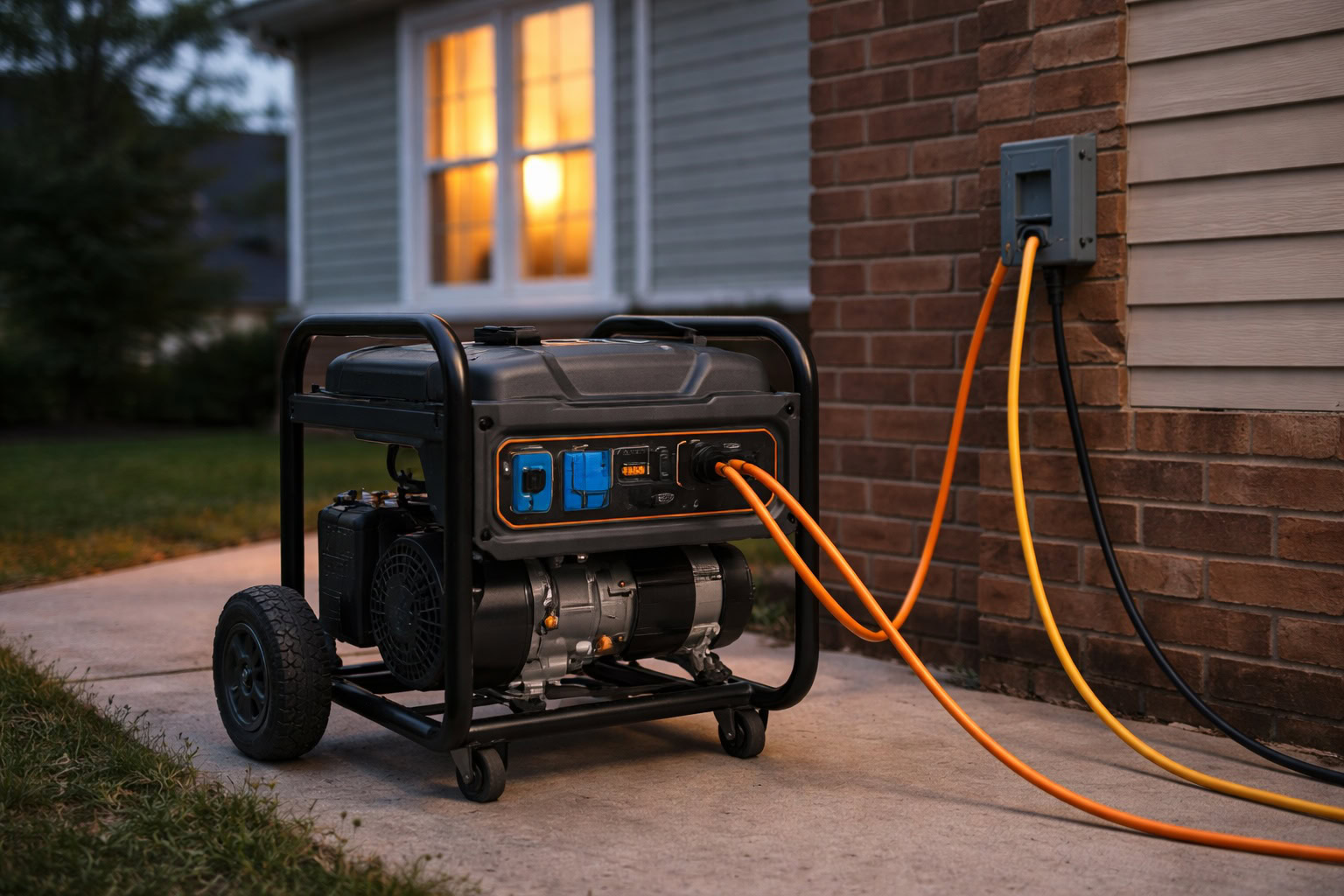
Power outages in Michigan are not rare events. Strong winds, thunderstorms, and falling tree limbs regularly knock out power across the state. For many homeowners, the real risk is not inconvenience. It is basement flooding, frozen pipes, and costly damage that can happen within hours of losing power. This scenario is where a generator will help.
Quick Answer:
Most Michigan homeowners should choose a portable generator in the 5,000–10,000 watt range to keep a sump pump, refrigerator, and heating system running. Whole-home standby generators are best for full protection but come with significantly higher costs.
What Generator Should You Buy?
The right generator depends on what you want to protect during an outage. Most homeowners do not need to power their entire home. They need to protect critical systems.
The main concern is basement flooding:
Choose a generator in the 5,000–7,500 watt range. This will typically run a sump pump, refrigerator, and basic lighting.
If you want heat and essential systems running:
A 7,500–10,000 watt generator can handle a sump pump, furnace fan, refrigerator, and additional outlets. This is the most common setup for Michigan homes.
Full-home backup:
A standby generator (18kW+) automatically powers most or all of your home without manual setup.
For most Michigan homeowners, the goal is simple: prevent water damage and keep the home functional during an outage.
Real-Life Generator Examples for Michigan Homes
Basic Ranch Home:
A 5,000–7,500 watt generator keeps a sump pump, a fridge, and lights running. Such power is often enough to prevent major damage.
Two-Story Home with Basement:
7,500–10,000 watt generator can support a sump pump, furnace, and essential appliances.
Full Protection Setup:
A standby generator automatically powers HVAC, appliances, and lighting during outages.
Why Generators Matter in Michigan Homes
Michigan homes face unique risks. Tree-lined neighborhoods, heavy rain, and storm activity increase outage frequency. Many homes also rely on sump pumps, making power loss a serious risk.
- Power loss can stop sump pumps instantly
- Basements can flood quickly during storms
- Winter outages can lead to frozen pipes
A generator is often less about convenience and more about preventing expensive damage.
How Much Does a Generator Cost?
- Portable generators: $500 – $2,000
- Standby generators: $8,000 – $18,000 installed
For a typical 2,000 sq ft home, standby systems usually fall in the 18kW–24kW range depending on power needs.
Generator Options for Michigan Homes
Best Overall for Most Homes
Westinghouse 12500-Watt Dual Fuel Generator
Strong option for running sump pumps, heating systems, and major appliances.
Quiet Option
WEN 6800-Watt Inverter Generator
Better for quieter operation and sensitive electronics.
Best Budget Option
WEN 4,750-Watt Dual Fuel Generator
Works well for basic outage protection.
General Comparison
| Type | Best For | Cost | Operation |
|---|---|---|---|
| Portable | Essential systems | Low | Manual |
| Inverter | Electronics | Medium | Manual |
| Standby | Whole home | High | Automatic |
Generator vs Battery Backup Systems
Battery backup systems are becoming more popular, but they serve a different purpose.
- Generators: High power output, can run sump pumps and heating systems
- Battery systems: Quiet and maintenance-free, but limited in runtime and capacity
For most Michigan homes, generators are the better choice due to sump pump and heating needs.
Common Buying Mistakes to Avoid
- Buying a generator that is too small
- Not planning for fuel during extended outages
- Running generators too close to the home
- Skipping a transfer switch or safe setup
Safe Setup and Installation
👉 Transfer Switch Kit
Helps safely connect your system to your home’s electrical system.
Never run a generator indoors or in a garage. Always operate it outside and away from windows.
How Generators Help Prevent Insurance Claims
- Prevents sump pump failure and flooding
- Reduces risk of frozen pipes
- Prevents food spoilage losses
Power loss is responsible for many of the most common home insurance claims in Michigan. A generator helps reduce that risk.
Credible Generator Safety and Buying Guidance
When selecting and using a generator, it’s important to follow trusted safety and product guidance. The
The Consumer Reports generator buying guide provides helpful insights on sizing and performance.
For safety, the
CDC warns about carbon monoxide risks and recommends always operating them outdoors and away from windows and doors.
Generator FAQ
Do I need a generator in Michigan?
Not always, but it is strongly recommended for homes with sump pumps, frequent outages, or critical systems.
How much does a generator cost for a 2,000 sq ft home?
Portable generators cost $500–$2,000. Whole-home systems typically cost $10,000–$18,000 installed.
Can a portable generator power a house?
It can power essential systems but usually not the entire home at once.
Protect Your Home Beyond Power Outages
A generator helps protect your home, but your insurance coverage matters too. Make sure your policy is built for Michigan risks and outages.
🔧 Get a Home Insurance Quote That Includes Generator Protection
