


Last Updated on January 24, 2026 by The Insurance Pros
Michigan Home Alarm Systems and Insurance Discounts
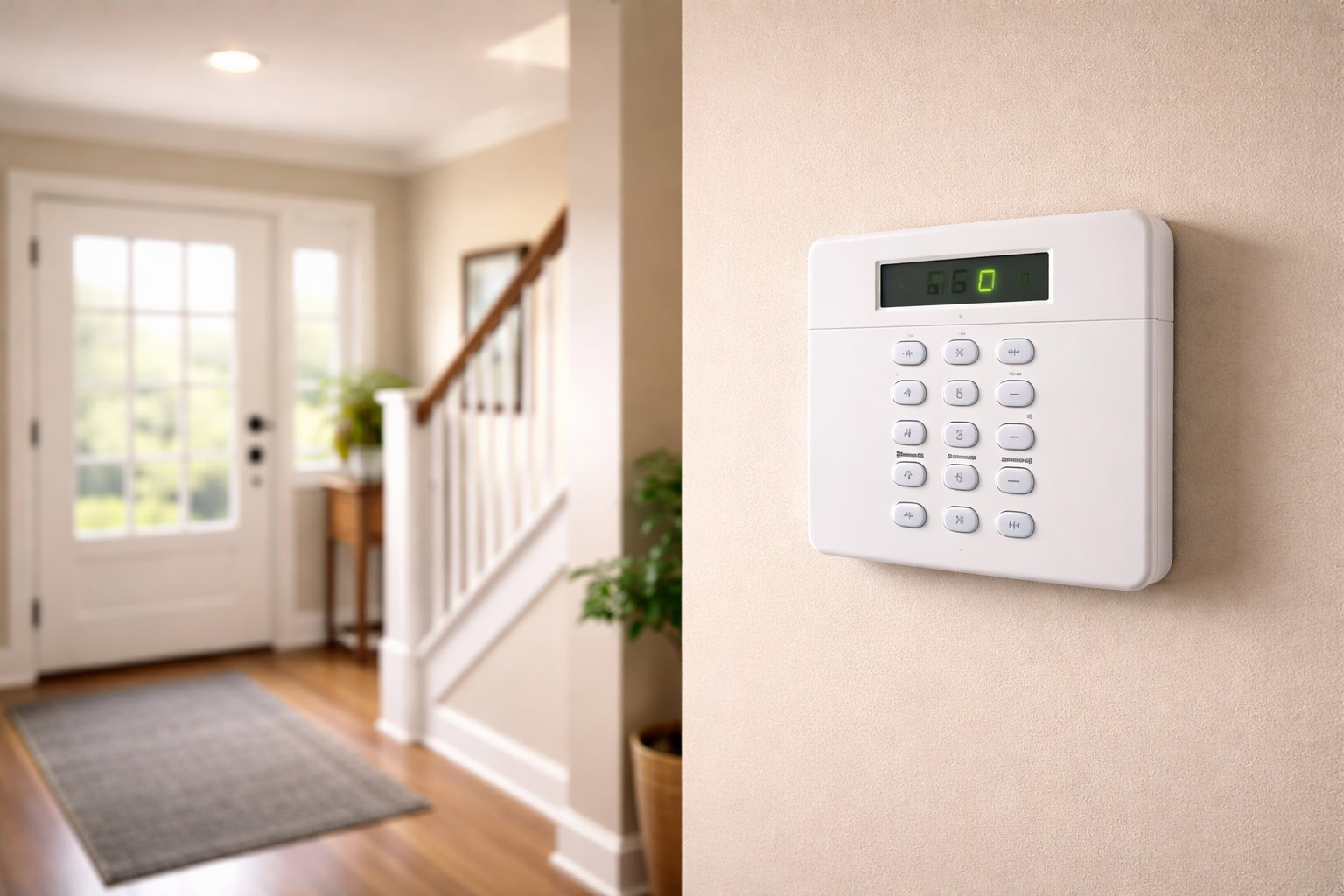
A home alarm system can protect your property and, in some cases, lower your home insurance premium. The key is choosing the right setup and knowing what your insurer actually counts as a “qualifying” security system. This Michigan-focused guide explains alarm system types, features that tend to support insurance discounts, and smart ways to improve protection without overpaying.
Quick answer: Many Michigan homeowners can qualify for insurance discounts with a professionally monitored alarm system. Discounts vary by carrier and the features installed. If you want the best chance at a discount, focus on monitoring, entry sensors, and fire/CO alerts, and keep proof of the system (or monitoring certificate) on hand.
🏡 Get a Free Michigan Home Insurance Quote
Are Home Alarm Systems Required in Michigan?
In most cases, Michigan does not require a residential burglar alarm system for owner-occupied homes. However, some rentals, condos, or HOA communities may have rules about entry systems, and some lenders or insurers may encourage security upgrades for higher-risk properties.
If you live in a condo or rental, check your lease/HOA rules before installing exterior cameras, doorbell cams, or drilling into walls.
Do Alarm Systems Lower Home Insurance in Michigan?
Sometimes, yes, but the discount depends on your insurer and the system type. Many insurers give the best discounts for systems that include professional monitoring and documented protection against common risks such as burglary, fire, and carbon monoxide.
- Monitored burglar alarms are often the most recognized category for receiving discounts.
- Central station monitoring can matter more than brand name
- Fire, smoke, and carbon monoxide (CO) monitoring may increase your eligibility for additional credits.
- Proof matters: some insurers ask for a monitoring certificate or documentation
If you’re upgrading other safety devices, these guides pair well with alarms:
Michigan carbon monoxide detector requirements and Michigan smoke detector requirements.
Alarm System Types: What Michigan Homeowners Should Compare
When choosing a home alarm system, start with two decisions: monitored vs. self-monitored and wired vs. wireless.
From there, look at which features match your home layout and risk areas.
Monitored Systems
A monitored system alerts a professional monitoring center during an emergency. This option is typically more likely to qualify for insurance discounts, especially when monitoring includes burglary and fire/CO alerts.
Self-Monitored Systems
Self-monitored systems send alerts to your phone but do not automatically dispatch help unless you take action. These can still improve security, but they may not qualify for the same discount categories as professional monitoring.
Wired vs. Wireless
Wireless systems are common in Michigan because they’re easier to install and expand. Wired systems can be a perfect fit for new builds or major remodels, but they usually require more installation work.
What Features Matter Most for Real-World Protection
Most break-ins are quick. Most home fires spread faster than people expect. Prioritize features that detect problems early and help you respond quickly.
- Entry sensors: doors, first-floor windows, and the door from the garage into the home
- Motion sensors: hallway or main living area (avoid placement where pets trigger it)
- Glass-break sensors: optional, useful for large first-floor windows
- Smoke/CO alerts: adds meaningful safety value, and can support insurance credits
- Water/leak sensors are helpful for basements, water heaters, and sump pumps (a huge issue in Michigan).
Michigan home layout tip: If your home has an attached garage or a finished basement, prioritize the entry door from the garage
and place a sensor near the mechanical room (furnace/water heater). Those areas create many avoidable losses.
Self-Install Options: Ring and SimpliSafe
DIY systems are popular because they’re simple to install and can be expanded over time. The biggest question for insurance is not the brand; it’s whether you have professional monitoring and whether the system produces documentation if your insurer asks.
Common DIY picks (examples):
- Ring Alarm Kit – good starter option for small homes, condos, and apartments
- SimpliSafe Starter Kit – easy to expand with additional sensors and monitoring add-ons
As an Amazon Associate, we may earn from qualifying purchases.
What to Ask Your Insurance Company in Michigan
If your goal is a discount, ask these questions before you buy. It can save you money and prevent disappointment.
- Do you offer a discount for monitored burglar alarms?
- Does the discount require central station monitoring?
- Do you offer additional credits for smoke/fire monitoring or CO monitoring?
- Do you need proof (certificate, invoice, or monitoring letter)?
- Does a self-install system qualify if it includes professional monitoring?
❓ FAQs: Michigan Home Alarm Systems
Do DIY alarm systems qualify for insurance discounts in Michigan?
Sometimes. Many insurers care more about professional monitoring than brand name. The best approach is to confirm discount rules with your carrier and keep documentation that shows monitoring is active.
What’s the most important alarm feature for a Michigan home?
Start with door sensors for your main entry points, especially the door between the garage and the home. Then add smoke/CO alerts and water sensors for basements if you want the most practical protection.
Can an alarm system prevent claims?
It can help reduce the severity of common losses by catching issues early, especially burglaries, fires, and some water events. The real value is faster awareness and response.
📞 Final Thought
The “best” alarm system is the one you’ll actually use consistently. You can request a quick review and quote to explore possible discounts and ensure proper protection for your home.
