


Last Updated on February 25, 2026 by The Insurance Pros
Michigan Flood Insurance: Requirements, Cost & NFIP Rules
Flooding is one of the most misunderstood risks for Michigan homeowners. Heavy rain, rapid snowmelt, overwhelmed storm drains, and water pooling around foundations can all lead to expensive damage, and a standard homeowners policy typically does not cover flood damage.
Quick takeaway: Flood insurance is required for some mortgage holders in high-risk zones, but many Michigan homeowners buy it voluntarily to protect finished spaces, utilities, and peace of mind.
Why Flood Insurance Still Matters in Michigan
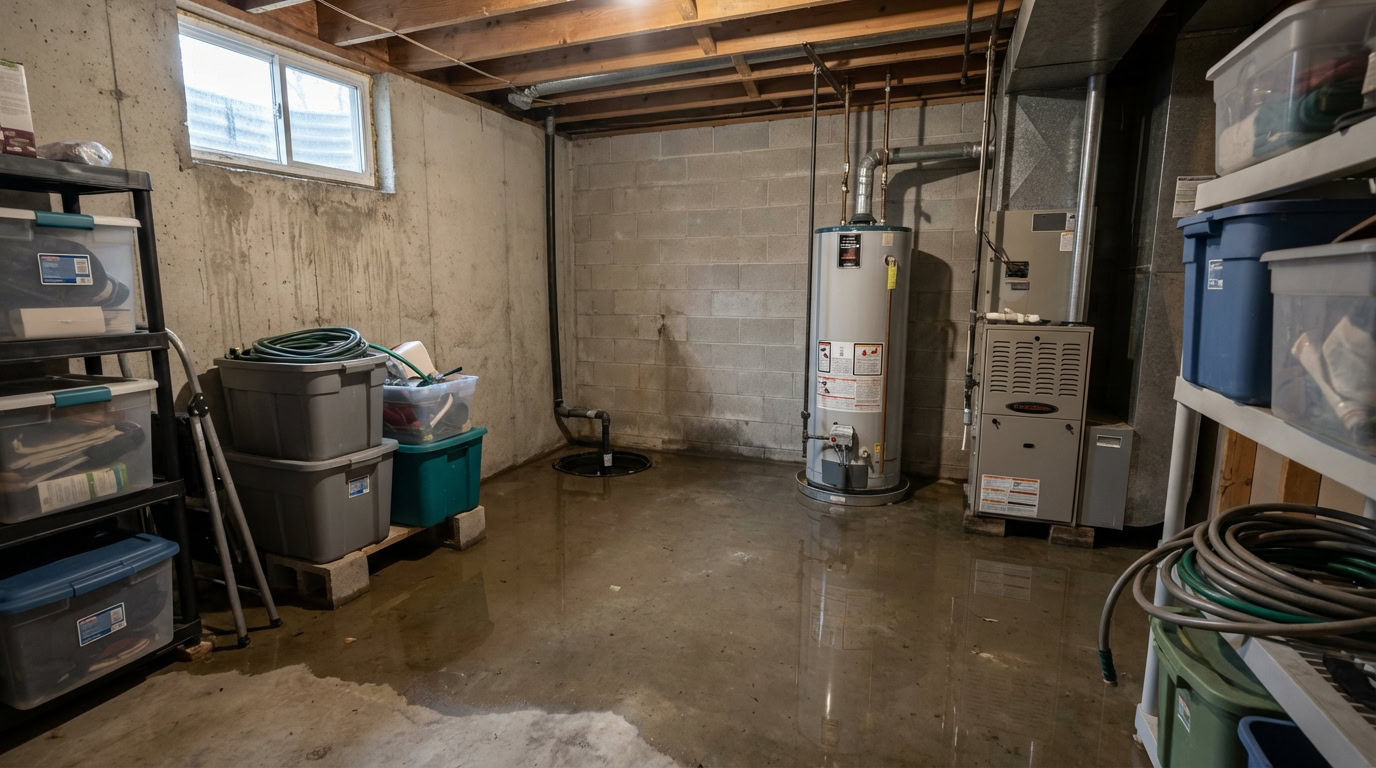
Michigan flooding is not only a “river overflow” problem. Localized flash flooding can happen when saturated ground and heavy rainfall overwhelm drainage systems. Even a small amount of standing water can lead to cleanup costs, drywall removal, flooring replacement, and damage to major home systems.
Is Flood Insurance Required in Michigan?
Flood insurance is typically required when a home is in a FEMA-designated high-risk flood area and the property has a federally backed mortgage. If the requirement applies, the lender usually won’t close (or renew) without proof of coverage.
If you are unsure whether your property is in a mapped flood hazard area, check FEMA’s official flood maps here:
FEMA Flood Maps.
What Counts as a “Flood” (And What Does Not)
Flood insurance is designed for overland flooding, meaning water that rises and spreads over normally dry land. In plain English, it is typically water coming from outside the home, not water escaping from inside plumbing.
- Flood (often insurable under flood insurance): overflow of water onto land, surface runoff entering the home, widespread pooling after major rainfall.
- Not a flood (usually handled elsewhere): a burst pipe, a failing appliance hose, or a sump pump failure without an overland flood event.
Important Michigan note: Sewer and drain backups are often a separate issue from flood coverage.
If you’re trying to protect your basement from backups, start here:
How to prevent sewer and drain damage in Michigan basements.
Understanding NFIP Flood Insurance in Michigan
Most flood policies are written through the National Flood Insurance Program (NFIP). NFIP policies generally offer standardized coverage options and rules, and your premium is based on your property’s flood risk factors.
NFIP Coverage Limits (Typical Residential)
- Building (structure): up to $250,000
- Contents (personal property): up to $100,000
These limits are a common surprise for homeowners with higher replacement costs or finished basements packed with personal property. It’s one reason it helps to review your options before you need the coverage.
What Flood Insurance Covers (And What It Often Doesn’t)
Flood insurance often helps cover:
- Foundation and structural components
- Electrical and plumbing systems
- Furnace, water heater, central air equipment (when applicable)
- Major appliances in covered areas
Often limited or not covered (depending on the situation):
- Temporary living expenses (loss of use) under many flood policies
- Finished basement improvements (finish materials can be limited)
- Personal property stored in certain basement areas can be restricted
- Mold/mildew that could have been prevented with reasonable mitigation
Basements in Michigan: What Homeowners Should Understand
Because Michigan homes often include basements, it’s worth being direct: flood insurance can cover some basement-related items, but it may not protect a finished basement the way people expect. Many policies focus coverage on structural components and essential equipment rather than “living space finishes.”
If you have a finished basement, a home gym, a home office, or expensive electronics downstairs, it’s especially important to review coverage details and consider how you’re protecting contents.
Waiting Period: Why You Can’t Buy Flood Insurance Last Minute
Many flood insurance policies have a waiting period before coverage begins, commonly 30 days. There are exceptions (for example, some loan-related scenarios or certain map-change situations), but in general you should not assume flood coverage starts immediately.
How Much Does Flood Insurance Cost in Michigan?
Flood insurance cost depends on property-specific risk. FEMA’s current pricing approach (often referred to as Risk Rating 2.0) considers factors beyond “zone,” such as distance to water, flood type, elevation, and the estimated cost to rebuild.
- Higher-risk properties generally cost more to insure.
- Lower-risk homes may still qualify for flood coverage that can be surprisingly affordable.
- Homes with finished basements or lots of basement contents should pay extra attention to coverage details, not just price.
When Michigan Homeowners Should Seriously Consider Flood Insurance
- You have a basement with utilities (furnace, water heater) you can’t afford to replace unexpectedly
- Your neighborhood has a history of heavy rain pooling, overwhelmed storm drains, or recurring standing water
- Your home sits near lakes, rivers, retention ponds, or low-lying areas
- You’ve seen seepage at the cove joint or foundation cracks during storms
- You’re buying a home and want certainty before you close
FAQ: Michigan Flood Insurance
Does homeowners insurance cover flooding in Michigan?
Most homeowners policies do not cover flood damage from rising water. You typically need a separate flood policy for that risk.
If I’m not in a flood zone, can I still buy flood insurance?
Yes. Many homeowners outside mapped high-risk areas buy flood coverage voluntarily, especially if they want protection against heavy rain events or localized flooding.
Will flood insurance protect my finished basement?
Flood insurance can help with certain basement items, but finished materials and personal property protection may be limited. Always review basement coverage details before relying on it.
How do I check my Michigan flood zone?
Use FEMA’s flood maps and confirm details with your lender or local building/zoning office if needed.
When Should Michigan Homeowners Consider Flood Insurance?
Flood insurance is not mandatory for every homeowner, but certain risk factors make it worth reviewing carefully.
- You have a basement with utilities like a furnace or water heater.
- Your basement is finished or used as living space.
- You’ve experienced heavy rain pooling near your foundation.
- Your neighborhood has older storm drains or recurring standing water.
- You live near lakes, rivers, retention ponds, or low-lying areas.
- You could not comfortably absorb a $20,000–$40,000 unexpected repair.
Even homes outside mapped high-risk flood zones can experience localized flooding from heavy rainfall or overwhelmed drainage systems. Reviewing your property’s exposure before a major storm gives you options and clarity
Questions About Your Flood Zone or Basement Exposure?
If you’re unsure whether flood insurance makes sense for your Michigan home, you can
contact us here to review your flood risk and coverage options
Tip: If you’re evaluating flood coverage, it helps to gather your address, mortgage details (if any), and a quick list of what you store in the basement, especially big-ticket items.
