


Last Updated on March 5, 2026 by The Insurance Pros
🏢 Michigan Condo Insurance: HO-6 vs Condo Association Policy
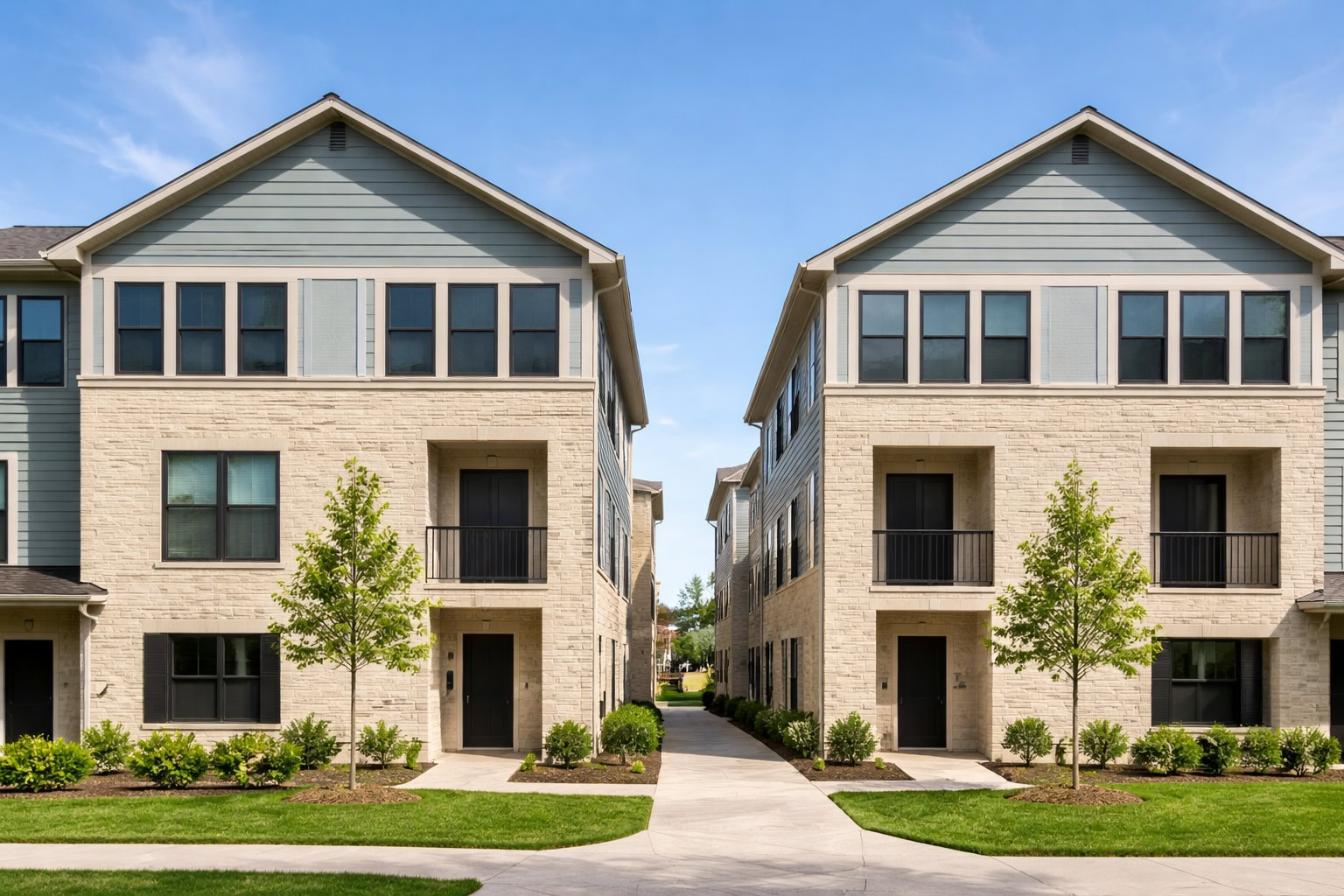
If you own (or are buying) a condo in Michigan, you’re dealing with two insurance policies at the same time: the condo association’s master policy and your personal HO-6 condo insurance. Most coverage mistakes happen when owners assume the association policy covers “everything” and don’t learn what it actually excludes.
The master policy usually covers the shared building structure and common areas. Your HO-6 policy typically covers what’s inside your unit, your belongings, personal liability, and certain assessment risks.
What Does Condo Insurance Usually Cover?
A typical HO-6 condo insurance policy is designed to protect what the association policy often does not. Most HO-6 policies include:
- Personal property: furniture, clothing, electronics, and other belongings
- Interior building coverage: floors, cabinets, countertops, interior walls, and improvements (depending on the master policy type)
- Loss of use: temporary living expenses if your unit becomes unlivable due to a covered loss
- Personal liability: if someone is injured in your unit or you accidentally cause damage to others
- Medical payments to others: smaller injuries that don’t turn into lawsuits
- Loss assessment coverage: helps if the association issues a special assessment for a covered event or deductible
The key is matching your HO-6 to how your association insures the building. That’s why the master policy summary and bylaws matter so much.
What’s Covered by the Condo Association Master Policy?
Condo associations typically insure the shared parts of the property. Common areas and building systems often fall under the master policy, such as:
- Roof, exterior walls, siding, and framing
- Common hallways, lobbies, stairwells, and shared amenities
- Shared plumbing/electrical that serves multiple units (varies by association)
- Association liability for common areas (varies by policy and limits)
“Condo insurance” is not one policy. It’s two policies working together, and every association’s master policy is different.
Bare Walls vs All-In: Why This Changes Your HO-6
Michigan condo associations often describe their master policy using “coverage type” language. These definitions drive what your HO-6 should cover:
- Bare Walls/Walls-In: The association covers the building shell and common areas, while the unit owner insures interior items like flooring, cabinets, fixtures, and upgrades.
- All-In: the association covers more interior components, sometimes including original fixtures and finishes (but it still may not cover your improvements or personal property).
If your HOA is “bare walls,” owners often need stronger interior coverage on the HO-6. If your HOA is “all-in,” you may still need interior coverage for upgrades and improvements, plus personal property and liability.
How Much Is Condo Insurance in Michigan?
Pricing varies by location, building type, claim history, coverage limits, deductible choices, and the association’s deductible. That said, one useful benchmark is the average HO-6 cost in Michigan using a sample policy structure.
For a reference point, Insure.com reports an estimated average cost of condo insurance in Michigan based on a sample HO-6 policy configuration:
Michigan condo insurance cost overview.
Instead of chasing the cheapest premium, focus on avoiding the most common coverage gaps: insufficient interior coverage, low loss assessment coverage, and liability limits that don’t match your risk.
Rule of Thumb for Condo Insurance
If you want a simple rule that works for most condo owners:
- Insure your belongings based on replacement cost, not what you paid years ago.
- Ensure that the interior coverage matches the master policy type, as bare walls require more HO-6 interior coverage.
- Increase loss assessment coverage if your association carries a high deductible.
- Choose liability limits that protect your savings and income, not just the minimum.
A useful way to tighten this up is to ask your condo association for the insurance summary (often called a certificate or master policy summary) and the deductible amount, then build the HO-6 around those details.
Why Loss Assessment Coverage Matters More Now
Many Michigan associations have raised deductibles to control premium costs. If a covered claim occurs, the association may issue a special assessment to unit owners for deductible costs or uncovered portions of a loss. Your HO-6 may help with such expenses through loss assessment coverage, depending on the trigger and policy wording.
To understand how loss assessments work at a high level, this explainer is helpful:
What can loss assessment coverage help pay for?
Condo Insurance Checklist for Michigan Owners
- ✅ Request the association’s master policy summary and deductible amount
- ✅ Confirm whether coverage is bare walls/walls-in or all-in
- ✅ Estimate personal property replacement cost (electronics, furniture, clothing)
- ✅ Consider higher liability limits if you have savings or higher income
- ✅ Review loss assessment coverage limits and whether you need more
- ✅ Build a simple home inventory (photos + receipts where possible)
Related read: If you rent your condo to a tenant, your insurance needs can change.
Michigan rental condo insurance: what owners should know.
FAQ: Michigan Condo Insurance Questions People Ask
What does condo insurance usually cover?
Condo insurance (HO-6) typically covers personal property, interior unit coverage (depending on the master policy type), loss of use, personal liability, and medical payments. Many HO-6 policies also include loss assessment coverage, which helps with certain Homeowners Association (HOA) assessments that are tied to covered events.
How much is homeowners insurance for a condo in Michigan?
Cost depends on the condo’s location, your coverage limits, deductible choices, and your association’s deductible. For a benchmark based on a sample policy structure, see:
You can find the average Michigan condo insurance cost reference here.
What is the rule of thumb for condo insurance?
Match your HO-6 interior coverage to the master policy type, insure your belongings at replacement cost, carry liability limits that protect your financial life, and consider higher loss assessment coverage if your association deductible is high.
Our licensed Michigan insurance team regularly reviews condo association master policies and helps owners understand coverage gaps before a loss occurs.
Get a Michigan Condo Insurance Review
If you want confidence that your HO-6 actually fills the gaps, the fastest move is to review your association’s master policy summary and deductible alongside your condo details. That one step prevents most “surprise” coverage issues after a loss.
🛡️ Get a Free Michigan Condo Insurance Quote
Outbound consumer resource: NAIC home insurance consumer guidance.
