


Last Updated on March 23, 2026 by Insurance Pros
Michigan Basic vs Traditional Homeowners Insurance
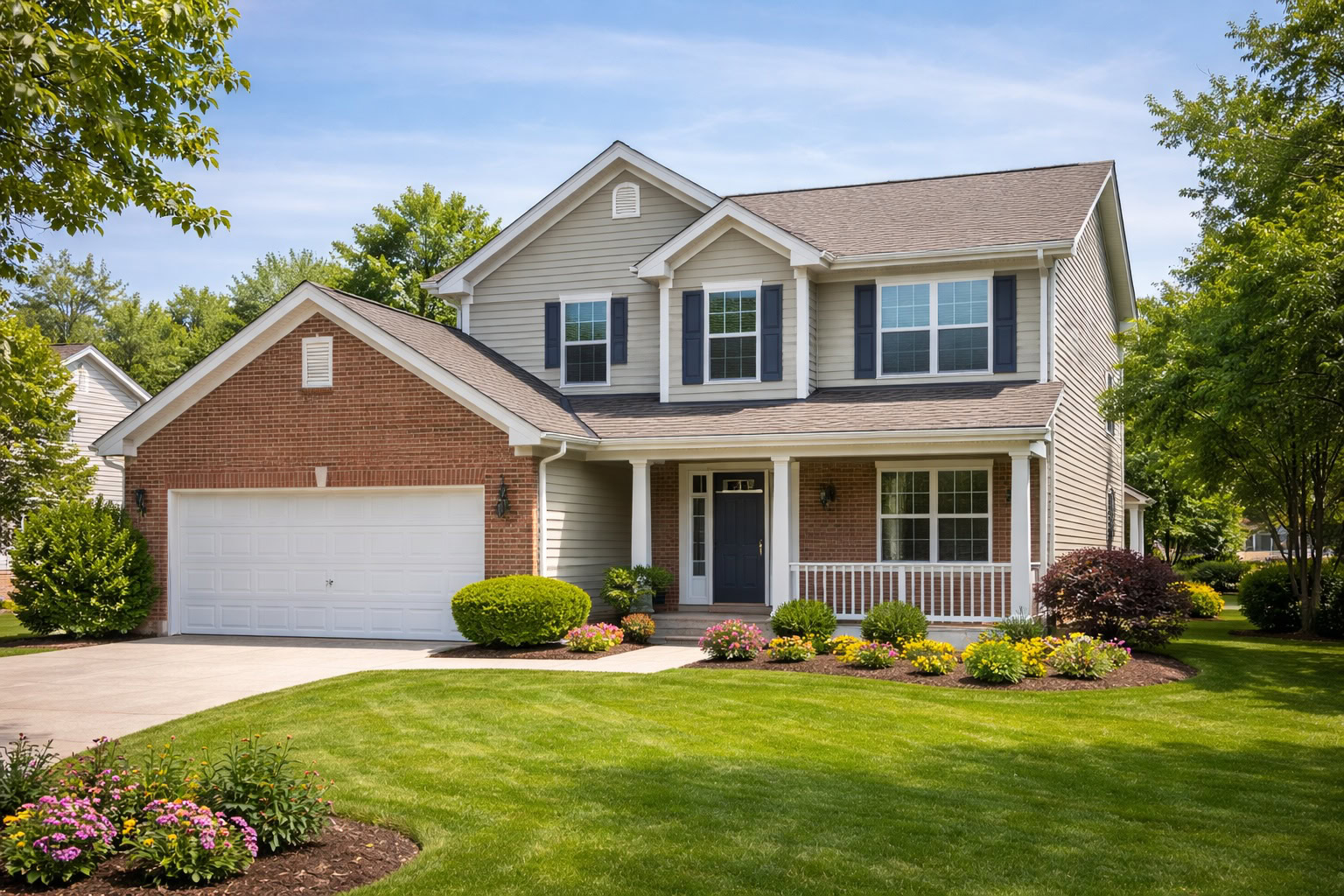
If you’ve heard the term Michigan Basic (often called the FAIR Plan), you’re probably trying to solve a very specific problem: getting homeowners coverage when the normal market says “no.” Traditional homeowners insurance is the standard policy most Michigan homeowners carry, but it’s not always available for every home.
Traditional homeowners insurance is usually the best option when you qualify. Michigan Basic is typically a backup option for homes that can’t get coverage in the standard market.
What Is Michigan Basic Homeowners Insurance?
Michigan Basic Property Insurance Association (MBPIA) is Michigan’s FAIR Plan option. It exists to help homeowners who have trouble getting coverage through standard insurers. In plain terms, it’s a “last-resort” path to get insured so you’re not left without any protection.
These resources are useful if you’re looking for consumer advice and the official program overview:
Michigan DIFS Homeowner Insurance Basics.
For a deeper Michigan-specific breakdown, see:
Michigan Basic Insurance (FAIR Plan) Guide.
What Is Traditional Homeowners Insurance?
Traditional homeowners insurance is the standard policy sold by most insurers. It’s typically built to protect:
- Your home (dwelling) and attached structures
- Your personal property (belongings)
- Liability (if someone is injured on your property)
- Additional living expenses (if you must temporarily live elsewhere due to a covered loss)
Traditional policies also tend to offer more endorsements and better customization, which is one reason they’re usually the preferred option when you qualify.
Michigan Basic vs Traditional Homeowners Insurance: Key Differences
Here’s the simplest way to compare them. Exact coverage varies by policy, but the “why” behind each option is consistent:
| Category | Michigan Basic (FAIR Plan) | Traditional Homeowners |
|---|---|---|
| Who it’s for | Homeowners who can’t get standard coverage | Most owner-occupied homes that meet underwriting guidelines |
| Coverage breadth | Often more limited; coverage can depend on endorsements | Typically broader coverage with more customization options |
| Cost/value | Can cost more for less coverage due to higher risk profiles | Often better value if the home qualifies |
| Goal | Get insured when the market declines | Long-term protection and stability |
When Michigan Basic Often Makes Sense
Michigan Basic can be the right fit when the home or situation falls outside normal underwriting. Common examples include
- Multiple insurers have declined to offer coverage
- The home needs updates (roof, electrical, plumbing) before standard insurers will approve
- The home is vacant, under renovation, or has unusual occupancy
- The property has risk factors that make traditional coverage difficult to place
If you’re on Michigan Basic, treat it like a bridge. Use the time to make improvements that help you qualify for a traditional policy later.
When is Traditional Homeowners Insurance Usually the Best Option?
If your home is owner-occupied and in typical condition, traditional homeowners insurance is usually the best option because it tends to provide:
- More complete protection for the home and belongings
- More coverage options (endorsements) to match your situation
- Clearer long-term pricing stability when maintained well
A Simple Decision Checklist
If you’re not sure which direction you’re heading, this quick checklist helps:
- Start with traditional coverage if your home is occupied and in average or good condition.
- Consider Michigan Basic if you’ve been declined or you need coverage while improving the property.
- Ask what changes would help you qualify (roof age, electrical type, plumbing updates, etc.).
- Re-shop after improvements so you don’t stay in limited coverage longer than needed.
Frequently Asked Questions
Is Michigan Basic the same as traditional homeowners insurance?
Not exactly. Michigan Basic is designed to provide access to coverage when the standard market won’t offer a policy. Traditional homeowners insurance is typically broader and built for long-term protection.
Is Michigan Basic cheaper?
Usually not. Because it’s often used for harder-to-insure homes, the cost can be higher relative to the coverage provided. Value depends on your home’s condition and available options.
Can I switch from Michigan Basic to traditional coverage later?
In many cases, yes. Home improvements, occupancy changes, and time without issues can improve eligibility. The best move is to ask what specific updates would make the home acceptable to standard insurers.
Where can I verify Michigan consumer guidance on homeowners insurance?
Michigan’s Department of Insurance and Financial Services offers consumer resources here:
Information on Purchasing Home Insurance (Michigan DIFS).
Final Thought
If you qualify for traditional homeowners insurance, it’s usually the best long-term fit. If you don’t, Michigan Basic can keep you protected while you work toward becoming eligible for broader coverage. Either way, the goal is the same: match the policy to the home you actually own today, then reassess as your situation improves.
Related reading: Michigan Basic Insurance (FAIR Plan) Guide
