


Last Updated on January 22, 2026 by Insurance Pros
🛑 Michigan Carbon Monoxide Detector Requirements: What you need to know.
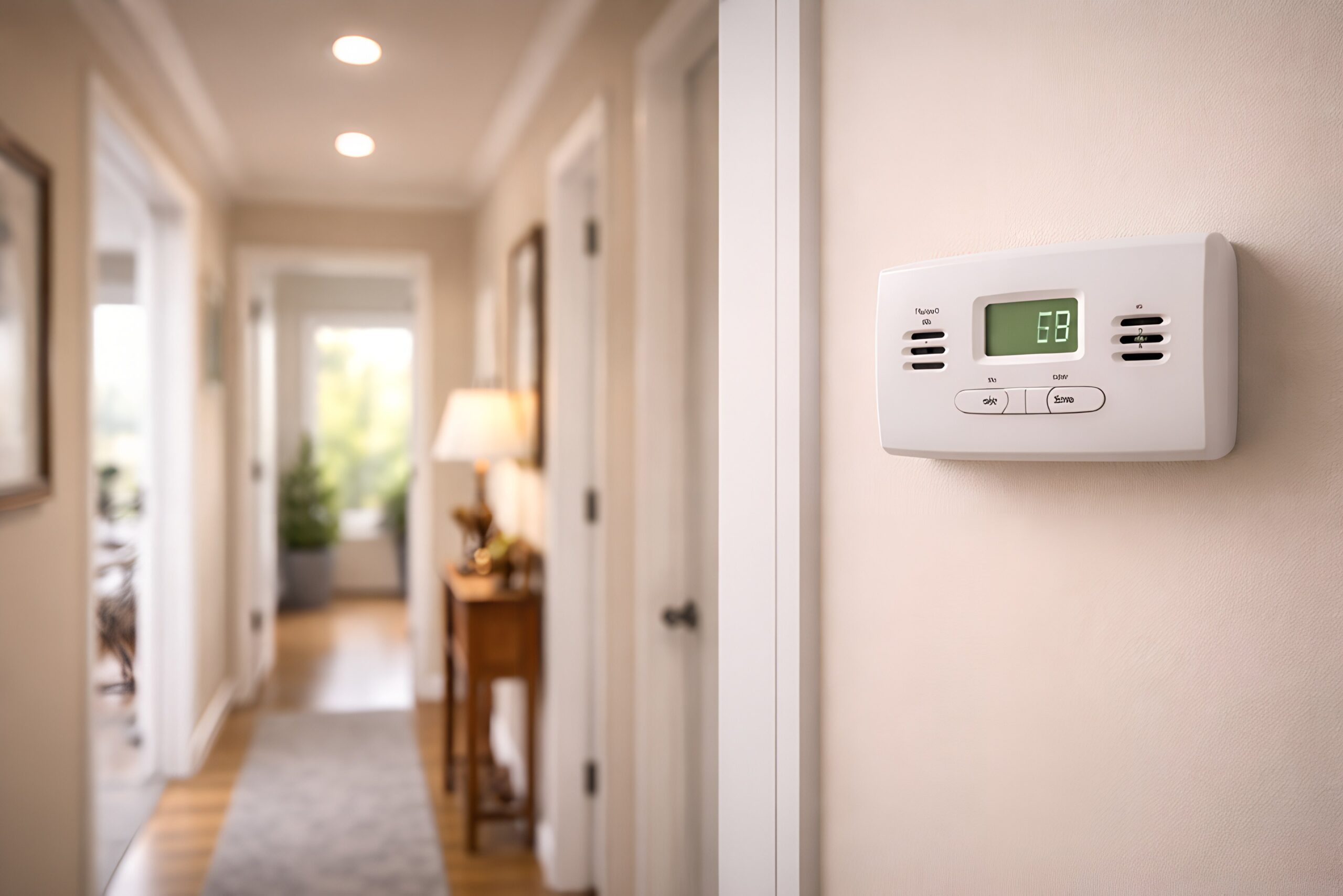
Carbon monoxide (CO) is a silent and invisible threat. You can’t smell it, you can’t see it, and it can turn dangerous fast.
That’s why Michigan requires carbon monoxide alarms in many situations, especially when a home has fuel-burning appliances
or an attached garage.
Quick answer: Michigan requires CO alarms in many homes when fuel-burning appliances or attached garages are present.
This requirement is especially important for new construction and permitted renovations. The safest approach is to place alarms outside sleeping areas and on every level of the home.
📜 Michigan Law: When Are CO Detectors Required?
Michigan’s requirements are tied to the residential code and permitted work. In general, CO alarms are required in:
- New homes with fuel-fired appliances or attached garages
- Existing homes undergoing permitted renovations that involve those features
Official reference:
Michigan Residential Code (LARA)
Requirements can vary depending on the type of project and permit. If you’re remodeling or finishing a basement, confirm expectations with your local building department.
📍 Where to Install Carbon Monoxide Detectors
Placement is where most homeowners get tripped up. An incorrect installation of a detector can delay an alert. A solid rule of thumb is to install CO alarms near sleeping areas and on every floor.
- In hallways outside bedrooms
- On every floor, including basements
- Near fuel-burning appliances (furnaces, stoves, water heaters), following manufacturer instructions
- Place them near attached garages, ideally outside rather than inside.
Placement tip: Follow the manufacturer’s instructions. Many modern CO alarms work best at typical outlet height or on a wall and should be kept away from vents, windows, and direct drafts.
🏠 Michigan Rentals and Landlords: Who Is Responsible?
Rental situations create confusion because responsibility can depend on the property type, local inspection practices, and the lease.
If you’re a tenant, you should still confirm CO alarm placement and test alarms regularly. Consider alarms a fundamental safety requirement if you’re a landlord, and document installation dates and replacement intervals.
- Renters: Ask where CO alarms are located and test them monthly
- Landlords: Track install dates and replace units per manufacturer guidance (commonly 5–10 years)
- Everyone: Never disable alarms due to nuisance chirps; replace batteries or the unit instead
🚨 Recognizing Carbon Monoxide Symptoms
CO poisoning can look like the flu and often worsens with exposure. Watch for:
- Headaches
- Dizziness
- Nausea or vomiting
- Fatigue or confusion
- Loss of consciousness
If multiple people (or pets) feel sick at the same time, leave the home immediately and call 911.
🔧 How to Prevent CO Poisoning
- ✅ Install UL-listed CO alarms (battery, plug-in, or hardwired with backup where required)
- 🔁 Replace batteries on a schedule, and test alarms monthly
- 🔍 Get annual inspections for furnaces and fuel-burning appliances
- 🔥 Never run generators, grills, or vehicles in garages (even with the door open)
- 🧯 Pair CO protection with smoke alarms and basic fire safety tools
🛒 Recommended Carbon Monoxide Detectors
Below are two reliable, widely used options. Choose the type that fits your home layout (battery vs plug-in, with backup power).

- Kidde Carbon Monoxide Alarm
– Simple battery model, loud alert, easy placement - First Alert CO Detector
– Plug-in model with backup battery and strong alert system
🎁 Free Installation in Michigan (MI Prevention Program)
Michigan’s MI Prevention program may offer free alarms for eligible households, often installed through local fire departments.
- 🔹 Often prioritizes seniors, disabled residents, and mobile homes
- 🔹 Supported through fire safety grant funding
✈️ Bonus Tip: Travel and Rentals
Hotels and short-term rentals aren’t always consistent with alarm placement. If you travel often, a portable CO detector is a small add-on that can help, especially in older buildings.
📥 Downloadable Guide
Prefer a quick reference sheet? Download the PDF with symptoms, placement tips, and links to recommended detectors:
📄 Download the CO Detector Guide (PDF)
❓ FAQ: Carbon Monoxide Detectors in Michigan
Is a carbon monoxide detector required in every Michigan home?
Many Michigan homes are required to have CO alarms when fuel-burning appliances or an attached garage are present, especially for new construction or permitted renovations.
When in doubt, follow best practice and install alarms outside sleeping areas and on each level.
Can I use battery-powered detectors?
Battery- or plug-in-powered alarms are commonly used in existing homes unless a permitted project requires hardwired, interconnected alarms with battery backup.
Always follow manufacturer instructions and local permit guidance.
How long do CO alarms last?
Many CO alarms last 5–10 years depending on the model. Replace the unit based on the manufacturer label and test alarms monthly.
🛡️ Final Word
Carbon monoxide protection is one of the simplest upgrades you can make. If you’re also updating other safety devices,
See our guide to Michigan smoke detector requirements.
